 Tourism Breaking News
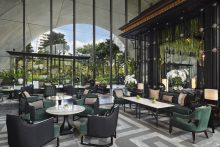 Sindhorn Kempinski Hotel Bangkok continues to shape a new chapter of sustainable luxury in the heart of the city, weaving environmental responsibility into every layer of its architecture, landscape, and guest experience. Conceived as a sanctuary where modern design flows seamlessly into lush greenery, the hotel stands today as a thoughtful balance of style, Thai heritage, and global sustainability standards.
Long before the hotel rose above Tonson and Langsuan, three century-old freshwater mangrove trees stood quietly on the land that would become Sindhorn Village. Considered guardians of the neighborhood, these trees were preserved, replanted, and now flourish within Chevaa Garden — a green promenade that anchors the property in Thailand’s natural heritage. From this garden, guests can wander toward Bangkok’s iconic parks, forming a rare corridor of urban biodiversity in the middle of the metropolis.
This profound connection to nature is echoed in the hotel’s architecture. The building curves and rises like a sculptural extension of the landscape, framed by floor-to-ceiling glass, natural light, and open-air ventilation that encourages breezes to move freely through the lobby and atrium. Triple-layer glazing reduces heat and noise, while thoughtful engineering reduces energy consumption without compromising comfort. This approach has earned the property two respected marks of environmental excellence: LEED, which recognizes buildings designed and operated with high standards of environmental performance, and EarthCheck, a global benchmarking program that evaluates how well a property manages resources, reduces waste, and minimizes its overall impact.
Sindhorn Kempinski’s sustainability commitments extend far beyond design. Inside every room, guests find carefully chosen amenities that reduce unnecessary waste, from LED lighting and eco-friendly water cartons to paper straws and resource-efficient fixtures. The Green Artifact program invites travelers to join this philosophy by opting out of daily linen and towel replacements. Behind the scenes, back-office teams reuse stationery and participate in the SCGP paper and plastic recycling program. The hotel also incorporates Idea Green paper, an environmentally minded office paper created by SCG Packaging. Made with EcoFiber and produced through a process that uses 50 percent less farmed tree pulp than conventional paper, Idea Green reflects the hotel’s commitment to selecting materials that lighten its environmental footprint at every operational level.
Food and beverage offerings reflect the same commitment to responsible sourcing. Every outlet avoids single-use plastics and highlights organic, locally grown ingredients that honor Thailand’s agricultural traditions. The hotel also supports local communities through its use of Royal Project produce, incorporating items such as dried fruits into its menus to champion sustainable farming and uplift regional growers. Alongside these ingredients, guests can enjoy Bokaew Arabica coffee from Chiang Mai, cultivated and handpicked by the indigenous Pakakayo hill-tribe. These partnerships embody Sindhorn Kempinski’s dedication to celebrating Thai terroir while ensuring that the farmers and communities behind each ingredient benefit from the hotel’s success.
Sindhorn Kempinski further strengthens its commitment to community-focused sustainability through its participation in the “Chula Loves the Earth” E-Waste Recycling Campaign. The hotel recently donated 106.15 kilograms of electronic devices for responsible processing and recycling, ensuring that outdated equipment is managed according to environmental standards. This initiative helps reduce the potential health and environmental impacts associated with improper disposal and reflects the hotel’s dedication to supporting programs that benefit both local communities and the wider ecosystem.
The hotel’s environmental programs extend into the landscape itself. Organic waste ranging from kitchen scraps to fallen leaves is transformed into nutrient-rich compost, nurturing the lush gardens that define the property. Refrigeration systems rely on non-ozone-depleting products. Rooftop solar panels harness Sindhorn Kempinski’s abundant sunshine to generate more than 255,000 kwh of clean energy annually, lowering the hotel’s reliance on the national grid.


